What licensed waste carrier qualifications mean for your clearance 2026
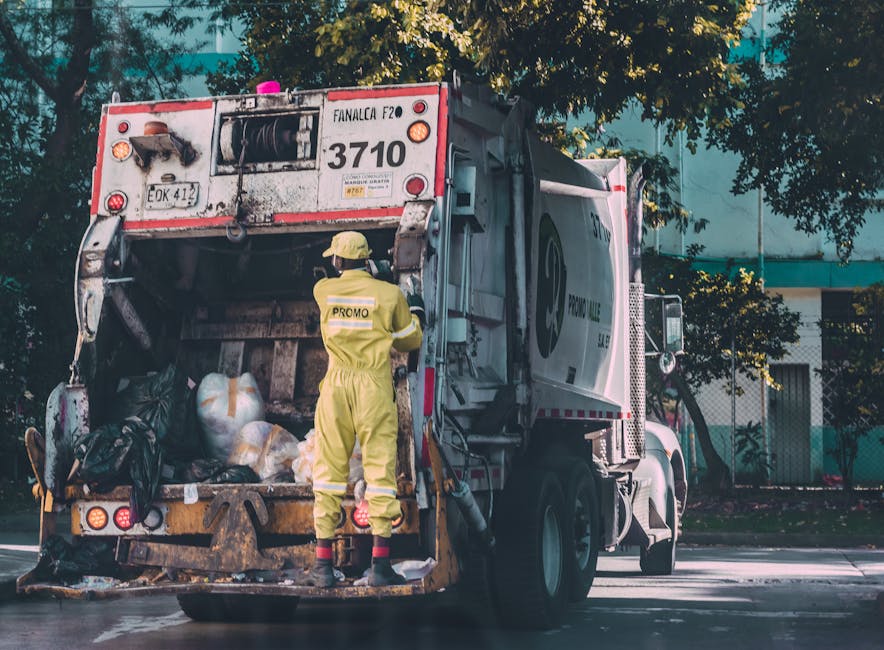
If you are booking a clearance in 2026, one of the first questions worth asking is simple: who is actually taking your waste away? That is where licensed waste carrier qualifications come in. They are not just a box-ticking detail. They help show whether a clearance company is set up to handle your waste lawfully, safely, and with proper traceability from your property to its final destination.
In practical terms, the difference between a proper licensed carrier and a fly-by-night van with a phone number on the side can be huge. One gives you reassurance, paperwork, and a cleaner handover. The other can leave you exposed if waste is dumped illegally. In this guide, we break down what the qualifications mean, why they matter for your clearance, how to check them, and what to look for before you book. No jargon. No fluff. Just the stuff that actually helps.
Quick takeaway: if a clearance company cannot show that it is licensed, insured, and operating responsibly, that is a red flag. In 2026, the safest choice is still the one you can verify.
- Why licensed waste carrier qualifications matter
- How the process works in real life
- Key benefits for households and businesses
- Who needs this and when it makes sense
- Step-by-step guidance before you book
- Expert tips to make your clearance smoother
- Common mistakes to avoid
- Tools, resources and practical recommendations
- Law, compliance and best practice
- Options and comparison table
- Real-world example
- Practical checklist
- Frequently asked questions
Why What licensed waste carrier qualifications mean for your clearance 2026 Matters
The phrase sounds technical, but the idea behind it is straightforward. A licensed waste carrier qualification means the business or individual collecting your rubbish has met the requirements to transport waste legally. For your clearance, that matters because once your items leave your property, responsibility does not just vanish into thin air. If the waste is handled badly, dumped in a layby, or mixed into the wrong stream, the trail can lead back to the person who arranged the collection.
That is why homeowners, landlords, flat managers, letting agents, and businesses all need to care. If you are clearing a loft in Islington, an office in Westminster, or a garage in outer London, the same basic question applies: who is taking possession of your waste, and are they qualified to do it?
Truth be told, most people do not think about this until something goes wrong. A driveway looks tidy, the rubbish disappears, and everyone carries on. Then a council letter arrives, or worse, a complaint from a neighbour about waste dumped on the road. Not fun. Not cheap either.
Licensed carrier status is part trust signal, part compliance check, and part practical protection. It tells you the company understands duty of care, waste handling, and responsible disposal. It also tends to separate established operators from opportunistic traders who only appear when demand is high. In 2026, with more people searching online and booking quickly, that distinction matters more than ever.
There is another angle too: professionalism. A properly run clearance service usually has a clearer process, better loading standards, more accurate pricing, and fewer surprises on the day. That does not guarantee perfection, of course. But it often means you are dealing with a team that knows what they are doing rather than someone improvising with a van and a shrug.
How What licensed waste carrier qualifications mean for your clearance 2026 Works
At a basic level, the process is about lawful transfer of waste from you to the collector and then on to an authorised facility. In plain English: your waste should not disappear into a mystery. There should be a clear chain of handling.
Here is how it usually works in practice:
- You request a quote. The company asks what needs removing, where it is located, and whether there are bulky, heavy, or specialist items involved.
- They confirm what they can take. This might include furniture, general household waste, builder's rubble, office items, or mixed clearance loads. For specific jobs, you may also see service pages such as house clearance, office clearance, or builders waste clearance.
- They explain the collection method. Some jobs are a single pickup. Others need labour, lifting, disassembly, or stair access planning. If the property is awkward, clear communication saves headaches later.
- The waste is loaded and removed. A licensed carrier should handle this without dodgy shortcuts, and they should separate items properly where needed.
- The waste is taken to the appropriate destination. That may be a transfer station, recycling facility, or waste processing site depending on the material.
- Records are kept where required. Businesses and responsible operators usually retain traceability information, especially when dealing with commercial waste.
The key thing to understand is that "licensed waste carrier" does not mean the same thing as "all waste gets recycled." It means the collector is authorised to transport waste. Recycling, reuse, diversion, and disposal are the next steps. A decent company will be open about those steps rather than making big, vague promises.
One practical point people often miss: some loads look simple but carry hidden complexity. A sofa might contain mixed materials. A fridge is not just bulky; it can involve special handling. A builder's load may look like "just a pile of rubble," but if plasterboard, timber, packaging, and metal are mixed together, the disposal route can change. That is where a knowledgeable carrier makes a real difference.
Key Benefits and Practical Advantages
When a clearance is handled by a licensed waste carrier, the benefits go beyond legal cover. You get a more organised service, better risk control, and usually a smoother experience from quote to finish.
1. Lower risk of illegal dumping
This is the big one. If waste is fly-tipped, your name, address, or vehicle details can become part of the story, even if you paid someone to take it away. A licensed carrier reduces that risk because they are set up to transport waste properly.
2. Better accountability
With a legitimate operator, there is usually a traceable business identity, proper contact details, and clearer paperwork. If you ever need to confirm what was collected or where it went, that matters.
3. More accurate pricing
A serious carrier tends to ask the right questions before quoting. That usually means fewer last-minute disputes about loading time, access, or mixed waste. Let's face it, nobody enjoys a van turning up and suddenly discovering the price has "changed a bit".
4. Smoother planning for busy homes and businesses
If you are juggling tenants, a shop refit, or an office move, a licensed provider is more likely to follow a set process. That makes scheduling easier and reduces the chance of a half-finished job on a rainy Wednesday morning.
5. Better fit with sustainability goals
Many customers now want responsible disposal, not just removal. A licensed carrier is more likely to separate recyclable material properly and route items to appropriate facilities. If sustainability is part of your brief, this is a useful marker. You can also review a company's approach to recycling and sustainability before you book.
6. Peace of mind
Sometimes the real value is invisible. You do not want to spend your evening wondering if the old wardrobe will end up dumped beside a country lane. A proper carrier removes that little knot of worry.
| What you get | Why it matters | What to ask about |
|---|---|---|
| Licensed transport | Shows the waste is being carried lawfully | Registration, business details, and collection process |
| Clear communication | Reduces errors and surprise charges | What is included, access issues, and heavy items |
| Traceability | Helps protect you if waste is mismanaged | Paperwork or digital confirmation |
| Responsible disposal | Supports legal and environmental good practice | Reuse, recycling, and handling routes |
Who This Is For and When It Makes Sense
Licensed waste carrier qualifications matter for almost anyone arranging a clearance, but the stakes vary depending on the job. Some clearances are straightforward. Others are messier, more sensitive, or more heavily regulated in practice.
Homeowners and tenants
If you are clearing out a property after a move, renovation, bereavement, or general declutter, using a licensed carrier helps protect you from waste being dumped illegally. That is especially relevant if the load includes a mix of furniture, broken appliances, and general rubbish.
Landlords and letting agents
End-of-tenancy clearances can move quickly. Furniture, mattresses, white goods, and bags of mixed waste pile up fast. In those situations, having a carrier who understands lawful disposal and access logistics saves time and awkward conversations later. For common item-specific jobs, you may find pages like mattress disposal or white goods recycle useful as part of your planning.
Businesses
Offices, shops, and light commercial premises need more than speed. They need reliability, data-aware handling where relevant, and a clear understanding of duty of care. If you are comparing options, a broader service like business waste removal can be a better fit than ad hoc collection.
Property managers and contractors
If you are dealing with multiple clearances, mixed waste streams, or time-sensitive handovers, the licence status of your carrier becomes part of project risk management. It is not the glamorous bit, but it keeps everything else standing upright.
When it makes the most sense
- You do not want the hassle of transporting waste yourself.
- You have bulky or heavy items that need proper handling.
- You want a clearer paper trail.
- You are dealing with tenants, customers, or neighbours who expect professional conduct.
- You want to reduce the chance of being associated with fly-tipping or poor disposal.
In short, if the waste matters enough to move it off-site, it matters enough to check who is moving it. Simple enough, really.
Step-by-Step Guidance
If you are not sure how to approach a clearance in 2026, use this practical sequence. It keeps the process calm and helps you compare providers properly.
1. List what needs removing
Walk through the property and note the main categories: furniture, bags of waste, appliances, garden waste, office items, builder's debris, or mixed rubbish. If there are large items, count them. A sofa, fridge, mattress, and wardrobe each affect planning in slightly different ways.
2. Check whether any items need special handling
Some materials need more care than others. Fridges, mattresses, and electrical items may require specific routes. Mixed builder's waste can also change the disposal process. If you are clearing a few different rooms, it helps to photograph the items in daylight. Morning light usually shows the scale more honestly than your memory does after a long day.
3. Ask the company if they are licensed to carry waste
Do not dance around this. Ask directly. A responsible operator will not be offended. They should be able to explain their status in plain language and answer follow-up questions without sounding defensive.
4. Ask what happens after collection
Good questions include: where will the waste go, how do you handle recyclable materials, and do you provide any record of collection? You are not being difficult. You are being sensible.
5. Compare like for like
Two quotes can look similar on paper but differ in labour, access, disposal inclusion, and item restrictions. A cheap quote that excludes key parts of the job often turns out to be the expensive one in the end.
6. Confirm access details
Stairs, parking, permits, loading restrictions, and lift access can all matter. In London, that can be the difference between a quick clearance and a frustrating wait for everyone involved.
7. Keep basic records
Save the quote, invoice, and any confirmation message. If you are a business, keep it with your waste records. It is one of those admin tasks that feels minor until you need it.
Expert Tips for Better Results
Having worked through enough clearances to know where things go wrong, a few small habits make a big difference.
Be specific, not vague. "A few items" is rarely enough. "Two sofas, one broken fridge, six bin bags, and a dismantled desk" is much better. Clearer input gives clearer pricing.
Separate valuables before the clearance. It sounds obvious, but pens, documents, chargers, keys, and sentimental bits often hide in drawers and under cushions. I have seen more than one "we threw it out by mistake" moment, and nobody enjoys that one.
Ask about labour as well as transport. Some jobs need carrying down narrow stairs or around tight corners. A licensed carrier should be able to explain whether their quote includes loading support.
Look for plain-English answers. If a company cannot explain where the waste goes without slipping into vagueness, pause. Good operators usually explain things simply because they understand them properly.
Check how they handle mixed waste. A good carrier will not treat every load the same. Mixed household waste, furniture, and building debris often need different sorting decisions.
Use location context wisely. A clearance in central London often has different access realities from one in the suburbs. If you need a local service area page, you may browse options such as central London, north London, or south west London to understand coverage.
Do not choose only on speed. Fast is nice. Reliable is nicer. The fastest van is not always the safest choice. A bit blunt, but true.
Common Mistakes to Avoid
Most problems with clearances are avoidable. They usually happen because someone is under time pressure, assumes too much, or skips one awkward question.
- Not checking licence status. This is the biggest one. If you do nothing else, do this.
- Assuming all waste will be recycled. Not every item can be reused or recycled. Be realistic about mixed loads.
- Choosing the cheapest quote without comparing scope. A lower price may exclude labour, access help, or disposal fees.
- Failing to mention difficult access. Tight stairwells, parking problems, and basement flats can change the job significantly.
- Leaving the wrong items in the pile. Batteries, confidential documents, and certain electrical items may need separate handling.
- Not keeping a record of the collection. If something later needs to be checked, you will be glad you kept it.
- Mixing up clearance and disposal responsibilities. Once you hand waste over, your duty does not magically disappear if the carrier was not legitimate.
A small story from the real world: a client once had a storage room clearance booked for late afternoon, and by the time the team arrived the lift had been locked by building management. Everyone was annoyed. Nobody was thrilled. A quick access check earlier would have saved forty-five minutes and a fair bit of muttering. Tiny detail, big effect.
Tools, Resources and Recommendations
You do not need fancy software to organise a good clearance. A few simple tools and habits are enough.
Phone photos
Take pictures of the items from a few angles. This helps with quoting and avoids misunderstandings about quantity or size.
Room-by-room list
Write down what is staying and what is going. It sounds old-fashioned, but it works. Especially in a busy flat where everything seems to be half-packed anyway.
Access notes
Parking restrictions, entry codes, floor level, lift access, and loading bay rules should all be noted early. This is particularly useful for busy streets and managed blocks.
Internal service pages
If you are comparing related jobs, it can help to look at topic-specific pages like furniture clearance, bulky waste collection, waste clearance, and waste removal so you can match the right service to the job.
Quote comparison notes
Compare each quote using the same checklist: items, labour, access, disposal route, and timing. That is the fair way to judge value.
Company information pages
If you want to understand a provider better, check pages like about us, pricing and quotes, insurance and safety, and health and safety policy. These pages often tell you more than a sales pitch ever will.
Law, Compliance, Standards, or Best Practice
For UK waste clearance, the big idea is duty of care. In plain English, the person producing the waste and the person transporting it both have responsibilities. You should not hand waste to an unknown operator and hope for the best. That is not how sensible compliance works.
A licensed waste carrier should be able to transport waste lawfully and deal with it through appropriate channels. For your part, best practice is to check who you are dealing with, keep a record, and avoid handing waste to anyone who cannot explain their process clearly.
There are a few common-sense compliance points worth remembering:
- Verify the carrier is legitimate. Ask for business details and confirmation of licensed status.
- Keep records. Save invoices and collection details, especially for commercial jobs.
- Be cautious with mixed or unusual waste. Some items may need special handling and should not be treated as ordinary rubbish.
- Use responsible disposal routes. A professional operator should be able to explain their approach to reuse, recycling, and disposal.
Best practice is not just about legal minimums. It is about making the transfer of waste clean, transparent, and defensible if anyone asks questions later. That is especially useful for landlords, businesses, managing agents, and anyone dealing with shared buildings.
If your clearance includes general domestic items, builder's waste, office contents, or bulky rubbish, proper handling matters just as much as the removal itself. For broader service planning, you may also find rubbish clearance, rubbish removal, and bulk waste collection useful as related options.
Options, Methods, or Comparison Table
It helps to compare your main choices before you book. Not every clearance needs the same approach, and not every provider is the right fit for every job.
| Option | Best for | Pros | Trade-offs |
|---|---|---|---|
| Licensed waste carrier | Most household and business clearances | Accountability, legal transport, better traceability | May cost more than informal operators, but usually safer |
| Council collection service | Specific items or scheduled municipal services | Familiar process, local authority oversight | Often less flexible on timing and item type |
| Self-transport to a site | Small loads if you have the vehicle and time | Direct control over the trip | Manual labour, time, fuel, and site rules to manage |
| Unverified van service | Not recommended | Sometimes appears cheap or quick | High risk of dumping, poor traceability, and problems later |
The honest answer? For most people, the licensed carrier option is the sensible default. Council services can be useful for certain items, but they are not always flexible. Self-transport works for some small jobs, though it is rarely worth the hassle for bulky clearance. And the informal option looks cheaper until it suddenly does not.
Case Study or Real-World Example
Here is a realistic example based on a typical London clearance scenario.
A small design studio in a converted building needed to clear old desks, chairs, broken shelving, packaging, and a few whiteboards before handing the space back to the landlord. The team originally planned to use a cheap one-man-and-van ad online. But once they looked closer, they realised the job involved stairs, restricted parking, and mixed waste. Not exactly a grab-and-go collection.
Instead, they chose a licensed waste carrier. The provider asked for photos, confirmed access details, and explained what would happen to the different types of waste. On the day, the crew arrived with enough time to work around the building rules, load the items safely, and finish without blocking the entrance. No drama. No awkward phone calls. The studio kept the invoice and collection record on file, which made the handover to the landlord much easier.
The difference was not just the removal itself. It was the sense that the job had been handled properly from the start. That matters more than people think. Especially when deadlines are tight and the building manager is already on email number three.
If the same office had used an unverified operator, the risks would have been obvious: poor access planning, no clear paper trail, and no easy way to confirm where the waste ended up. Sometimes paying slightly more is really paying for fewer headaches.
Practical Checklist
Use this checklist before you book or approve a clearance.
- Confirm the company is a licensed waste carrier.
- Ask what types of waste they can collect.
- List all items clearly, including bulky or awkward ones.
- Share photos of the waste where possible.
- Explain access issues, parking limits, and stair routes.
- Ask whether labour is included in the quote.
- Check whether disposal, loading, and collection are all included.
- Keep a copy of the quote, invoice, and any confirmation.
- For business jobs, keep records with your compliance paperwork.
- Make sure no unwanted confidential or personal items are left in the clearance pile.
Expert summary: the safest clearance is usually the one that is planned a little better, quoted a little clearer, and documented a little more carefully. Nothing dramatic. Just proper.
Conclusion
So, what do licensed waste carrier qualifications mean for your clearance in 2026? In short, they mean you are choosing a service that should be authorised, traceable, and much less likely to leave you with a mess after the van drives off. That brings legal peace of mind, better handling, and a more professional experience overall.
Whether you are clearing a flat, a house, a garden, an office, or a mixed load of bulky rubbish, checking licence status is one of the easiest ways to protect yourself. It is a small step. But it is a smart one, and frankly it saves a lot of grief later.
If you are comparing providers now, take your time, ask direct questions, and choose the team that answers clearly. You will notice the difference straight away.
Get a free quote today and see how much you can save.
And if you are still deciding, that is fine too. A careful decision tends to age better than a rushed one.
Frequently Asked Questions
What is a licensed waste carrier?
A licensed waste carrier is a person or business authorised to transport waste legally. For your clearance, that means the waste should be collected and moved by someone operating within the expected UK waste framework rather than an unverified van service.
Why does licensed carrier status matter for my clearance?
It matters because it helps protect you from illegal dumping, unclear accountability, and poor disposal practices. If a company cannot show proper status, you are taking on unnecessary risk.
How can I check whether a clearance company is licensed?
Ask the company directly and request confirmation in plain language. A reputable operator should be able to explain their status without hesitation and provide business details that match the service they are offering.
Does licensed mean my waste will definitely be recycled?
No. Licensed means the carrier can transport waste legally. Recycling depends on the type of waste, how it is sorted, and where it is taken. Some materials can be reused or recycled more easily than others.
Do I need a licensed waste carrier for a small household clearance?
Yes, if you are paying someone to take your waste away, it is sensible to check they are licensed. Even small jobs can create problems if the waste is dumped improperly.
Is a cheaper clearance service always risky?
Not always, but very cheap services deserve extra scrutiny. The price should make sense against labour, access, transport, and disposal. If something seems too low, ask what is included.
What should I ask before booking a clearance?
Ask what is included, whether the company is licensed, how they handle disposal, whether labour is included, and whether they need photos or access information before arriving.
What records should I keep after the clearance?
Keep the quote, invoice, and any confirmation message. If you are a business or landlord, file these with your compliance records so you can trace what happened later if needed.
Are licensed waste carriers important for business waste?
Very much so. Business waste often needs stronger record-keeping and clearer duty of care. A licensed carrier helps support that process and makes it easier to show responsible handling.
What if I am only clearing one large item like a sofa or mattress?
Even then, it is worth using a licensed carrier or a recognised collection service. Bulky items still need lawful transport, and some items have special disposal considerations.
Can a licensed carrier collect mixed waste from a flat or house?
Usually yes, as long as they are prepared for the type of material involved. Mixed loads are common in house clearances, but it helps to describe the items accurately before the booking.
What is the main mistake people make with waste clearance?
The biggest mistake is not checking who is actually taking the waste away. People assume the cheapest or quickest option will be fine, then discover they have no clear trail if something goes wrong. A bit of checking saves a lot of bother.