Storing Rubbish Safely Before Collection: Tips for UK Homes
Most households don't think much about rubbish storage until bags start piling up by the back door, in a hallway, or on the pavement waiting for collection day. Then the problems begin: smells, spills, pests, and that awkward "where do we put this until Tuesday?" moment. Storing rubbish safely before collection is a small job, but it can make a big difference to hygiene, safety, and how tidy your home feels. It also matters more in flats and busy UK streets, where bins may be shared, space is tight, and one loose bag can quickly become everyone's problem.
This guide gives you practical, down-to-earth advice for keeping waste contained, protected, and easy to collect. You'll find step-by-step guidance, common mistakes to avoid, and a few sensible checks that help you stay organised without turning your home into a holding bay for clutter. If you're dealing with bulky items as well as everyday waste, you may also find it useful to look at rubbish removal, waste collection, or the wider home clearance service pages for context.
Truth be told, a good rubbish storage routine is less about perfection and more about preventing avoidable mess. A few simple habits can save you from smells in summer, rain-soaked cardboard in winter, and the sort of bin chaos that makes you sigh every time you open the kitchen door.
Why Storing Rubbish Safely Before Collection: Tips for UK Homes Matters
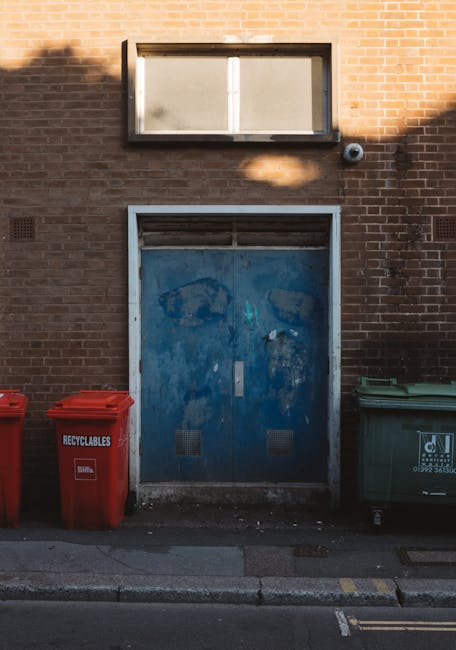
Safe rubbish storage matters because waste doesn't stay neutral for long. Food scraps attract flies. Broken glass can cut through thin bags. Cardboard absorbs moisture and collapses. A bag left too long in a warm kitchen or damp shed can start to smell before you've even finished your tea. For many UK homes, especially terraces, small flats, and shared properties, the challenge is not disposal itself but what happens between putting something out and the collection crew arriving.
There's also a social side to it. Neighbours notice. So do visitors, building managers, and in some cases your local council if waste is left in the wrong place. A tidy storage routine helps you keep communal areas usable and reduces the chance of complaints. If you live in a flat or managed building, a calm system matters even more, which is why services like flat clearance and waste clearance are often a better fit than trying to stash items in the hallway and hoping for the best.
It also protects your home. Loose rubbish can lead to pests, leaks, stains on flooring, and the kind of clutter that slowly takes over a room. One bag turns into two, then suddenly the boiler cupboard is hosting a small landfill. Not ideal.
How Storing Rubbish Safely Before Collection: Tips for UK Homes Works
The basic idea is simple: keep waste contained, separate, dry where possible, and out of the way of people, pets, and fire risks until it can be collected. In practice, that means choosing the right container, using secure bags, and placing waste where it cannot spill or obstruct exits. The details depend on what kind of waste you have.
General household rubbish can usually sit in a lidded bin or tied bag. Recyclables should stay clean and dry so they can actually be recycled. Bulky waste may need to be kept in a garage, shed, or spare room until a booked pickup. If you're clearing a mattress, sofa, or fridge, you'll want a plan that keeps access safe and doesn't block doors or stairs. For those kinds of items, pages like sofa removal, mattress disposal, fridge disposal, and white goods recycle are useful next steps.
In a house, this might mean the garage or garden store. In a flat, it might mean a designated bin store or a carefully chosen corner inside the property. The trick is to store waste in a way that keeps it easy to move on collection day without creating a hazard in the meantime.
What safe storage usually looks like in real life
- Food waste goes into a sealed caddy or tied liner.
- General rubbish goes into strong bin bags, not flimsy carrier bags.
- Sharp items are wrapped safely and labelled if needed.
- Bulky items are kept upright, stable, and out of walkways.
- Anything leak-prone sits on a tray, tarp, or hard floor surface.
If that sounds basic, good. Basic is what works. Fancy solutions tend to fail when the weather turns wet or the bin day gets delayed.
Key Benefits and Practical Advantages
Keeping rubbish safe before collection gives you a lot more than a tidier hallway. The benefits stack up quickly, especially in busy households.
- Better hygiene: Sealed storage reduces smells, spills, and pest attraction.
- Less stress: You know exactly where everything is before collection day.
- Safer movement through the home: No loose glass, needles, or sharp edges in the wrong place.
- Cleaner shared spaces: Important in flats and HMOs where rubbish can affect more than one household.
- Improved recycling: Dry, sorted waste is more likely to be handled correctly.
- Faster collection: Crews can take waste away more efficiently when it's organised.
There's a quieter benefit too: you stop the slow creep of clutter. Once rubbish has a temporary home, it feels less chaotic and more manageable. That sounds small, but it makes a difference on a rainy Thursday evening when the kitchen already feels cramped.
If your waste includes larger household items, it can help to compare services such as bulky waste collection, bulk waste collection, and large item collection so you can choose the right route rather than improvising with the back garden and hoping the weather behaves.
Who This Is For and When It Makes Sense
This topic is relevant to almost everyone, but it becomes especially useful in certain situations. If any of the below sound familiar, you'll benefit from having a proper storage plan.
- Flat and apartment residents with limited bin space or shared bin stores.
- Families who generate a lot of packaging, nappies, food waste, and occasional bulky rubbish.
- Landlords and letting agents managing clear-outs between tenancies.
- Homeowners with garages, lofts, or sheds filling up during a declutter.
- People booking a clearance and needing to hold rubbish safely until the team arrives.
- Anyone with pets or children where exposed waste could create a real hazard.
It also makes sense during a move, after a renovation, or when you're waiting for council or private collection. If you're handling furniture, builders' waste, or a room full of mixed items, pages like house clearance, builders waste clearance, and garage clearance can help you think through the logistics.
A quick example: a couple in a two-bedroom flat in west London clears out an old sofa, two broken chairs, and three bags of packaging after a furniture delivery. They can't leave it all by the front door for a week, so they keep the bags sealed in a utility cupboard, store the sofa in the living room with blankets underneath, and arrange a booked pickup for the next morning. Small plan. Big relief.
Step-by-Step Guidance
If you want a simple routine that works in most UK homes, follow this sequence. It is not glamorous, but it is effective.
- Sort the waste first. Separate general rubbish, recycling, food waste, sharp objects, and bulky items. Mixed piles become messy very quickly.
- Choose the right container. Use a lidded bin, strong refuse sacks, or a sealed storage box depending on the material.
- Keep wet items separate. Damp cardboard, half-full bottles, and food waste should not sit with dry waste if you can help it.
- Wrap hazards securely. Broken glass, old lightbulbs, and sharp metal edges need double wrapping or rigid protection.
- Store waste somewhere stable. Avoid stairs, doorways, boiler rooms, and escape routes. Don't block a corridor just because "it'll only be there overnight."
- Keep it away from heat and flames. Rubbish near ovens, heaters, chargers, or cigarettes is a bad combination. Obvious, but worth saying.
- Schedule collection or removal promptly. The longer waste sits, the more likely it is to smell, leak, or attract pests.
For bigger clear-outs, you may also want to coordinate storage with pickup timing. A service like rubbish clearance or waste removal can save you from trying to keep bulky items in a room for far too long.
A practical way to handle different waste types
| Waste type | Safer storage method | Main risk if handled badly |
|---|---|---|
| Food waste | Sealed caddy or tied liner | Odours, flies, leaks |
| General household rubbish | Strong bin bag in lidded bin | Tears, spillages, pests |
| Recycling | Clean, dry, sorted containers | Contamination, rejected recycling |
| Sharp or broken items | Double wrap or rigid box | Cuts and punctures |
| Bulky waste | Clear floor space, stable position | Trips, blocked access, damage |
Expert Tips for Better Results
Once the basics are in place, a few small habits make the whole system work better. These are the kind of things people learn the hard way, usually after one bag splits all over the path. Not fun.
Keep one "collection-ready" zone
Rather than scattering waste around the home, pick one temporary holding area. It might be a corner of a kitchen, utility room, garage, or hallway cupboard, depending on your space. Having a single zone makes it easier to inspect for leaks or pests and helps the collection team find everything quickly.
Use liners that match the bin, not wishful thinking
Too-small liners slip. Too-thin liners split. If your bin gets heavy with food waste or packaging, use a tougher sack or a proper liner that fits the container. Little detail, big difference.
Label anything unusual
If an item contains sharp edges, mixed materials, or needs special handling, a simple handwritten note can help anyone moving it. This is particularly useful during clear-outs where items are stacked close together.
Plan for rain and temperature changes
British weather loves a surprise. Cardboard left outside on a damp morning can be ruined in minutes. In summer, sealed rubbish can get warm and unpleasant very quickly. Try to keep waste indoors or under cover until close to collection time.
Think about lifting and access
If a bag is too heavy, split it. If a box is awkward, repack it. Safe storage is not just about cleanliness. It's also about moving waste without straining your back or scraping walls, which somehow always happens in narrow stairwells.
If you are dealing with household items as well as waste, services such as furniture disposal and furniture clearance can be more sensible than trying to shift everything in one go.
Common Mistakes to Avoid
Most rubbish-storage problems come from a handful of predictable mistakes. The good news? They are easy to avoid once you know what to look for.
- Leaving bags open: Open rubbish attracts pests and spreads smell fast.
- Overfilling sacks: Heavy bags are more likely to split and harder to carry safely.
- Mixing sharps with loose waste: Broken glass or metal can cut through bags and injure someone.
- Storing waste in walkways: Hallways and exits should stay clear, full stop.
- Ignoring damp waste: Wet cardboard and food scraps create mess and mildew.
- Leaving items outside for too long: This can create nuisance, especially in shared streets or blocks.
- Forgetting collection day changes: A delayed pickup can turn a tidy plan into a nuisance very quickly.
One subtle mistake is treating all rubbish the same. A mattress, a bag of general waste, and an old fridge need very different handling. If you're not sure what category an item fits into, it's worth checking the relevant service page such as mattress collection, bed disposal, or large item collection.
Tools, Resources and Recommendations
You do not need a load of specialist equipment, but a few basic tools make waste storage much safer and cleaner. In a lot of homes, these are the difference between "sorted" and "why does this smell like that?"
- Lidded indoor bin: Good for food waste and short-term kitchen rubbish.
- Heavy-duty bin bags: Better for general household waste and mixed packaging.
- Storage boxes with lids: Useful for temporary containment of dry waste or paperwork.
- Gloves: Handy when sorting sharp, dirty, or awkward items.
- Disinfectant or general cleaner: Useful for wiping down storage areas after collection.
- Reusable sacks or tubs: Good for keeping recyclable materials dry.
- Roll of tape and marker pen: Surprisingly helpful for sealing and labelling.
On the planning side, it helps to use trusted service pages to match the waste to the right route. For example, pricing and quotes helps you gauge budget and booking, while recycling and sustainability is useful if you want to reduce what ends up in landfill. If you need to understand safety and handling standards, health and safety policy and insurance and safety are worth a read too.
Law, Compliance, Standards, or Best Practice
For UK homes, the most sensible approach is to follow local collection rules, keep waste contained, and avoid causing a nuisance or hazard. Exact council requirements can vary by area, so if you live in a managed block or under local authority collection rules, it's worth checking the relevant guidance rather than assuming the same routine works everywhere.
Some general best practice points are widely accepted even when the formal rules differ:
- Do not place waste where it blocks exits, shared access routes, or fire escapes.
- Keep rubbish secure so it does not blow away, leak, or attract pests.
- Separate recyclable items where possible and keep them dry and clean.
- Handle sharp, contaminated, or heavy items with extra care.
- Use a licensed or reputable provider when booking private collection or clearance.
If you are using a clearance company, it is sensible to review their public information on payments and security, as well as their service terms. The pages for payment and security, terms and conditions, and privacy policy can help you understand how the booking process works. That's just good housekeeping, really.
For council-led options, pages such as council rubbish collection, council waste collection, and council large item collection are relevant if you want to compare public and private collection routes.
Options, Methods, or Comparison Table
There is more than one way to handle rubbish before collection. The right method depends on space, waste type, timing, and whether you're dealing with everyday household rubbish or a bigger clear-out.
| Method | Best for | Pros | Watch out for |
|---|---|---|---|
| Indoor lidded bin storage | Kitchen and food waste | Neat, easy to access, good odour control | Needs regular emptying |
| Outdoor bin store or shed | Dry household waste and recycling | Keeps waste out of living spaces | Can get damp, smelly, or pest-prone |
| Designated clear-out area | Bulky items before booked pickup | Organised, simple to collect | Needs space and safe access |
| Same-day collection booking | Large or mixed waste | Less time storing rubbish at home | Requires good timing and access |
| Boxed, separated storage | Sorting recyclables and small items | Improves organisation and handling | Takes more effort up front |
To be fair, most households use a mix of these rather than one perfect setup. A flat might use an indoor bin plus a bin store. A house might use the kitchen, garage, and garden shed depending on the type of waste. That's normal.
Case Study or Real-World Example
Here's a realistic example from a typical London home. A family in a mid-terrace house in south London had a week where everything seemed to arrive at once: a broken washing machine, an old sofa, several bin bags of loft clutter, and the remains of a kitchen refresh. They could have left everything outside and hoped for the best. Instead, they split the waste into categories.
The washing machine was kept upright in the utility room, with space around it so no one tripped over the hose. The sofa was wrapped lightly to protect the fabric from dust and moved away from the front door. General rubbish went into tied sacks in the garden shed, while sharp packaging and broken odds-and-ends were boxed and labelled. They booked a collection slot and made sure the path to the driveway was clear on the morning of pickup.
The result was simple: no smells, no blocked hallway, no panic on the day. And, perhaps most importantly, no one had to drag a heavy sofa through a wet front garden while muttering under their breath. The whole thing felt manageable, which is a nice change when you're in the middle of a clear-out.
For households in a similar position, looking at waste disposal and waste removal early can make planning much easier. If you need local support too, area pages such as London, Wandsworth, and Camden help confirm service coverage by location.
Practical Checklist
Use this before collection day. It's a small list, but it catches most of the usual problems.
- All waste is sorted into the correct category.
- Food waste and damp items are sealed properly.
- Sharp edges are wrapped or boxed.
- Heavy bags are not overloaded.
- Bulky items are stored in a safe, accessible place.
- Hallways, exits, and shared paths are clear.
- Waste is kept away from heat sources and open flames.
- Bins, sacks, and storage containers are clean enough to handle.
- Collection day and time are confirmed.
- Any special instructions for access are noted in advance.
Quick expert summary: The safest way to store rubbish before collection is to keep it sealed, sorted, dry where possible, and out of walkways. If an item is awkward, heavy, smelly, or sharp, give it extra protection and move it promptly. Simple is fine. Safe is better.
Get a free quote today and see how much you can save.
Conclusion
Storing rubbish safely before collection is one of those household tasks that only gets noticed when it goes wrong. Done well, it keeps your home cleaner, safer, and far easier to manage. Done badly, it creates smells, mess, and unnecessary stress. The good news is that you don't need a complicated system to get it right. A few strong bags, a sensible storage spot, and a bit of planning usually do the job.
If you're dealing with bigger items, mixed waste, or a clearance that's getting out of hand, it often makes sense to use a service that matches the job properly rather than trying to squeeze everything into your normal weekly routine. That little bit of planning can save you a surprising amount of hassle, honestly.
And if your rubbish starts to feel like it's running the house instead of the other way round, take that as your sign to sort it now. One good collection day can reset the whole place. Bit of breathing room. Bit of calm. That's worth something.
Frequently Asked Questions
How do I store rubbish safely before collection at home?
Keep waste sorted, sealed, and out of walkways. Use lidded bins or strong bags, wrap sharp items securely, and store everything in a dry, stable place until collection day.
Can I leave rubbish outside overnight before collection?
Sometimes, but it depends on local rules and the type of waste. Where possible, avoid leaving waste outside for long periods because rain, wind, pests, and nuisance issues can follow quickly.
What is the best way to store food waste before pickup?
Use a sealed caddy or tied liner and empty it regularly. Food waste is the quickest to smell, so keeping it contained and away from heat makes a big difference.
How do I stop rubbish bags from smelling in hot weather?
Keep bags sealed, reduce the amount of time they sit indoors, and move them to a cooler, covered place if you can. Empty food waste more often in summer, because the smell can become noticeable very quickly.
Is it safe to keep broken glass or sharp waste in a bin bag?
Only if it is properly wrapped or boxed first. Loose sharp items can puncture bags and injure anyone handling them. Double wrap them or place them in a rigid container.
What should I do with bulky items before collection?
Keep them in a clear, accessible place where they won't block exits or stairs. If the item is large, awkward, or heavy, it may be better to arrange a dedicated bulky waste pickup rather than storing it for too long.
Can I store rubbish in my garage or shed?
Yes, if the space is dry, secure, and not used for something that could be damaged by leaks, pests, or odours. Avoid storing waste near valuables, fuel, tools, or anything flammable.
What's the difference between bulky waste collection and general rubbish removal?
Bulky waste collection is usually for larger household items such as furniture or mattresses, while general rubbish removal covers mixed waste and smaller items. The right choice depends on what you need taken away and how much space you have.
Do I need to separate recycling before storing it?
Yes, if you can. Dry, clean recycling is far easier to handle and less likely to be rejected. Keeping paper, plastics, and cans separate from food waste is a simple win.
What if I live in a flat with no outdoor space?
Use a compact indoor storage system, keep waste in sealed containers, and plan collections carefully. In flats, timing matters even more because shared areas can become cluttered fast. Services like flat clearance can be especially helpful in these situations.
How do I know whether to use council collection or a private service?
If your waste is small and fits standard council rules, council collection may be enough. For larger, mixed, urgent, or awkward items, a private service may be easier and quicker. Comparing council waste collection with private options such as bulk waste collection can help you decide.
Are there any safety checks I should do before the collection team arrives?
Yes. Make sure access is clear, bags are tied, sharp items are wrapped, and there are no trip hazards around the storage area. A quick two-minute check can prevent a lot of bother on the day.
How can I make rubbish storage less stressful in a busy household?
Create one temporary waste zone, empty it regularly, and keep the right bags or containers nearby. A simple routine works better than trying to "sort it later," which, let's face it, usually means never.
Where can I read more about safe collection and service details?
You can explore the website's service and trust pages, including pricing and quotes, health and safety policy, and about us. They give a fuller picture of how the service works and what standards to expect.