How urban recycling hubs will change UK rubbish removal in 2027
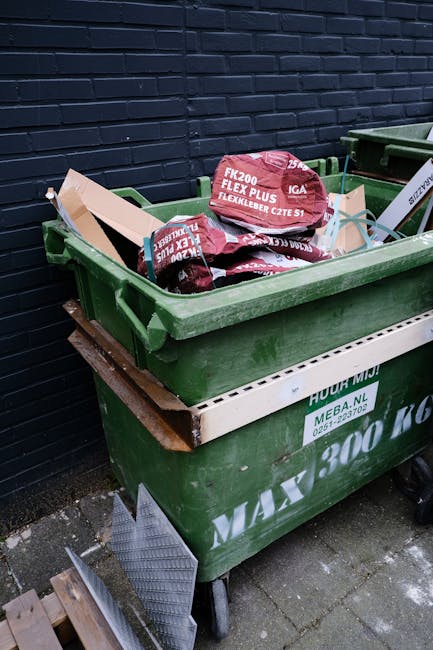
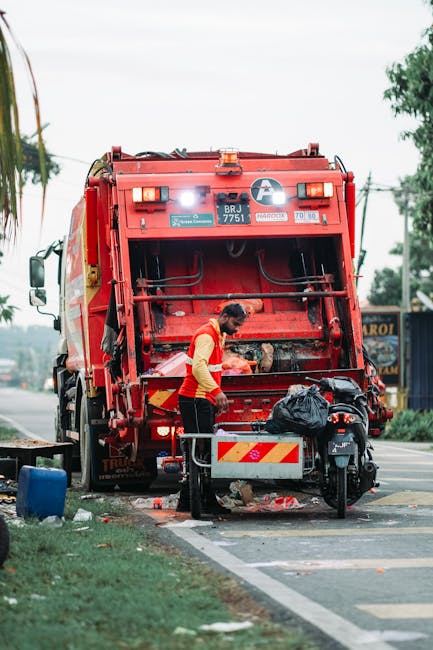
UK rubbish removal is quietly moving into a new phase, and 2027 is shaping up to be a turning point. Urban recycling hubs are not just another policy buzzword or a shiny new depot with bins lined up neatly by the kerb. They're changing how waste is sorted, how quickly it moves, what gets reused, and what residents and businesses now expect from removal services. If you've ever stared at a pile of mixed rubbish and wondered, "Where does all this actually go?", this shift matters. A lot.
In practical terms, How urban recycling hubs will change UK rubbish removal in 2027 comes down to speed, separation, traceability, and less waste travelling needlessly across town. The big picture is simple enough. The day-to-day reality, not so much. In this article, we'll break down how the model works, who benefits, what can go wrong, and how to prepare if you're a homeowner, landlord, facilities manager, or business trying to stay ahead of the curve.
There's also a very real London angle here. Dense streets, limited loading space, landlord pressure, and strict building rules already make removal tricky. Urban recycling hubs could reduce some of that friction. But they'll also raise expectations. Let's face it, rubbish removal is no longer just about "getting rid of it". It's about doing it properly.
- Why this shift matters now
- How urban recycling hubs work in practice
- The benefits for households and businesses
- Who needs this approach most
- How to prepare step by step
- Expert tips for better results
- Mistakes to avoid
- Useful tools and recommendations
- Compliance and best practice
- Options and method comparison
- A real-world example
- Quick checklist
- Final thoughts
- Frequently asked questions
Why How urban recycling hubs will change UK rubbish removal in 2027 Matters
Urban recycling hubs matter because they sit between two systems that have often struggled to work neatly together: local waste collection and recycling processing. Historically, mixed rubbish has been collected from homes, flats, offices, shops, and building sites, then transported to sorting facilities farther away. That model still works, but it's not always the most efficient one for today's cities.
By 2027, more urban areas are expected to lean on smaller, strategically placed hubs where waste can be separated closer to where it was produced. That sounds like a small operational change. It isn't. It affects vehicle routes, contamination rates, recycling quality, collection frequency, and the cost of handling awkward items like furniture, white goods, and renovation waste.
For residents, the change could mean fewer delays and better options for bulky rubbish. For landlords and businesses, it may mean improved compliance and easier segregation of waste streams. For removal teams, it changes the way jobs are planned, priced, and completed. A van full of mixed waste is one thing. A van that can drop off sorted streams at an urban hub and get back on the road quicker is another thing entirely.
There's also a behavioural angle. When a system makes sorting easier, people tend to do more of it. When the process feels confusing, mixed waste piles up. A recycling hub, if designed well, removes some of that mental friction. You don't have to know everything about disposal regulations to make a decent decision. That alone is a major shift.
Expert summary: Urban recycling hubs are likely to make rubbish removal more local, more sorted, and more accountable. The winners in 2027 will be the people and operators who plan for separation before collection, not after.
How How urban recycling hubs will change UK rubbish removal in 2027 Works
At a simple level, an urban recycling hub is a local consolidation point. Waste arrives there from households, businesses, contractors, or removal vehicles. Instead of everything being hauled straight to one distant site, materials are checked, separated, and channelled into the right recovery route. Some items are baled, some are sorted by hand or machinery, and some are quarantined for special handling.
In a city, that has several knock-on effects. A removal crew collecting from a block of flats might take mixed items to a nearby hub rather than spending extra time travelling out of the area. That can reduce vehicle mileage and, in turn, cut congestion around already busy roads. If you've ever watched a lorry inch through a narrow street while a cyclist squeezes past and a delivery van double-parks opposite, you'll know why this matters.
There is usually a simple logic behind the flow:
- The rubbish is collected from a property, business, or construction job.
- It is taken to a nearby urban recycling hub instead of a far-off transfer point.
- The contents are inspected and separated into recyclable, reusable, and residual waste streams.
- Reusable items may be directed toward refurbishment or donation pathways where available.
- Residual waste moves on for lawful disposal or energy recovery, depending on the material.
The main change for the customer is visibility. More providers will be expected to explain where items go and why. That can be a good thing, though it may feel a bit more formal than the old "we'll sort it out" approach. To be fair, it should feel more formal. Waste handling is not a shrug-and-go job.
In 2027, urban recycling hubs are also likely to support more micro-sorting for difficult streams: cardboard, metals, timber, WEEE, mattresses, mixed household clearances, and bulky items. Services such as rubbish removal and bulk waste collection will probably be shaped by whether a provider can route items through these local hubs efficiently.
One useful way to think about it is this: the hub becomes the middle room in the waste journey. Not the start, not the end, but the place where good sorting happens before the next move.
Key Benefits and Practical Advantages
The strongest argument for urban recycling hubs is not abstract sustainability talk. It is operational common sense. If waste is separated closer to source, a lot of needless handling disappears. That means fewer mixed loads, less contamination, and better chances that reusable or recyclable items stay in circulation.
Here are the benefits that matter most in real life:
- Faster turnaround: Removal crews can spend less time travelling and more time collecting.
- Cleaner sorting: Items are less likely to get contaminated when they are separated earlier.
- Better recycling outcomes: Materials such as metal, wood, cardboard, and certain appliances are easier to recover properly.
- Less disruption in cities: Shorter haul routes can ease pressure on roads and loading bays.
- More flexible services: Mixed household clearances, office cleanouts, and builder waste can be handled more neatly.
- Improved transparency: Customers often want to know what happens after collection. Hubs make that easier to explain.
There's a human benefit too. Sorting waste at source and moving it through nearby facilities gives people a clearer sense that their stuff is being handled with care. A battered wardrobe, a fridge with a dead compressor, a pile of old office chairs - they're not just dumped into a vague system and forgotten. They're processed. That matters to customers more than many operators realise.
For businesses, especially in busy urban areas, urban recycling hubs can support tighter waste routines. An office moving out of office clearance or a landlord dealing with a flat turnover after a tenancy ends may find it easier to keep waste streams separate if the end point is nearby and predictable. The fewer unknowns, the better.
And yes, it can save time. Sometimes the boring answer is the right one.
Who This Is For and When It Makes Sense
This shift is relevant to more people than you might expect. It's not just a council or contractor issue. If you produce rubbish in a city, you're part of the system.
It makes sense for:
- Homeowners and renters clearing out old furniture, mattresses, or white goods.
- Landlords and letting agents managing end-of-tenancy clearances and abandoned items.
- Business owners who need predictable disposal routes for office, retail, or hospitality waste.
- Builders and trades handling light renovation debris or site clear-outs.
- Property managers dealing with flats, HMOs, and shared buildings where access is tight.
The model is especially useful in dense neighbourhoods where every trip matters. Think central and inner-London streets, places where parking is scarce and the lift is slow because three people are trying to move a sofa at once. In those environments, the ability to use a nearby hub can make a job feel less chaotic.
It also makes sense when you have mixed items. A garage clearance, for example, can easily include broken small electricals, paint tins, wood offcuts, and general clutter. A garage clearance service linked to urban recycling hubs is more likely to handle that mix intelligently than a one-size-fits-all disposal route.
Truth be told, if you only have one small bag of rubbish, you may never notice the hub system at all. But when you are dealing with a proper clear-out, it becomes very relevant very quickly.
Step-by-Step Guidance
If you want to work with the new model well, start before the collection date. That sounds obvious, but it's where many problems begin.
1. Separate what you can before the crew arrives
Put recyclables, reusable items, and obvious residual waste in separate piles if possible. You don't need to build a mini MRF in your hallway. Just make the job easier. Cardboard, metal, furniture, textiles, and electronics often benefit from early sorting.
2. Identify any special items
Fridges, mattresses, and certain electrical items may need particular handling. If you know what's included in advance, the provider can plan the route better and avoid surprises.
3. Check access and loading rules
In flats and managed buildings, time can disappear into access issues. Are there lift restrictions? Do you need concierge approval? Is there a loading bay booking system? A good plan avoids the classic "the van is here, but the bins are locked away" moment. Not ideal.
4. Ask where the waste will go
You do not need a lecture, just a clear answer. A credible operator should be able to explain whether items are being taken to a hub, a transfer station, or another approved route. If a company cannot explain its process in plain English, that is usually a small warning light.
5. Confirm whether reuse is possible
Some items still have life left in them. A solid chair, a working fridge, or decent office furniture may be better routed toward reuse than disposal. Services like furniture collection and white goods recycle can be part of that more circular approach.
6. Keep paperwork or confirmation
For businesses and landlords, record-keeping matters. Keep collection confirmations, invoices, and notes about item types. It's not glamorous, but it saves headaches later.
That's really the rhythm of it: sort a bit, plan a bit, ask questions, then let the system do its work.
Expert Tips for Better Results
There are a few habits that make a surprisingly big difference. They're not dramatic, but they improve outcomes and reduce friction.
- Book the right service for the right waste: A mixed house clearance is not the same as a builder's skip-type load or an office strip-out.
- Group items by material where practical: Keep cardboard, soft furnishings, timber, and electricals apart if you can.
- Pre-warn about awkward access: Narrow stairs, shared entrances, no lift, top-floor flat - all of that changes the job.
- Use recycling-led services: A provider that emphasises recovery is often better aligned with hub-based systems.
- Ask about restricted items early: Hazardous or specialist waste should never be guessed at. Guessing is how things go sideways.
One practical tip many people overlook: label the items you want kept separate. A handwritten note on a box or a simple "recycle" pile by the door can prevent a lot of muddle. It sounds almost too simple, but the little things really do help.
If you're managing a larger property, try building a repeatable waste routine. For example, one room for reusable items, one for disposal, one for electricals, and one for bulky furniture. You'll notice the chaos drops almost immediately.
And yes, sometimes the best improvement is just not leaving everything until the morning of collection.
Common Mistakes to Avoid
Most rubbish removal problems are not dramatic disasters. They're small, avoidable mistakes that snowball. The good news? They're easy enough to dodge once you know them.
- Mixing everything together: This makes sorting slower and reduces recycling quality.
- Assuming all providers handle items the same way: Some are better set up for reuse and recycling than others.
- Ignoring access constraints: If the crew can't reach the waste quickly, the whole job gets harder.
- Forgetting special items: Mattresses, fridges, and electronics often need separate handling.
- Choosing on price alone: The cheapest quote can become expensive if it hides poor process or weak sorting.
- Not checking for proof of proper disposal: Especially important for business and landlord customers.
There's also a common mindset mistake: thinking that "waste is waste". It isn't. Some rubbish is actually a stack of separate material streams in disguise. Once you start seeing it that way, the whole process changes.
One more thing. If a provider talks only about speed and never about sorting, recycling, or handling, that's worth noting. Speed matters, yes. But speed without process is just organised mess.
Tools, Resources and Recommendations
You do not need fancy tech to prepare for urban recycling hubs, though a bit of structure helps. A clipboard and three labelled containers can go a long way, frankly.
Useful tools and resources include:
- Simple room-by-room sort lists for flats, houses, and offices
- Photo inventories for bulky or mixed clearances
- Basic labels for reuse, recycle, and dispose piles
- Site access notes for managed buildings
- Collection logs for landlords, facilities teams, and businesses
For services that are often part of this process, it helps to understand the difference between bulky waste collection, furniture disposal, mattress disposal, and fridge disposal. Each one has slightly different handling needs, and in a hub-based system that matters more, not less.
If you're comparing providers, look for clear answers to these questions:
- Do they sort for reuse and recycling first?
- Can they handle mixed property clearances?
- Do they explain restricted items clearly?
- Are their quotes easy to understand?
- Do they work well in dense urban areas?
If you want a practical starting point, the pages on recycling and sustainability and pricing and quotes are useful reference points for understanding how a removal service should be presented to customers. Not every operator gets this right. The good ones tend to make it feel straightforward.
Law, Compliance, Standards, or Best Practice
With waste, compliance is not optional. Even if the customer only sees a pile of old furniture, the operator is dealing with a regulated chain of handling, transport, and disposal responsibilities. The exact legal duties depend on the material, the role of the business, and the local arrangements in place, so it is wise to treat this carefully rather than making assumptions.
In best-practice terms, urban recycling hubs are likely to push the market toward better record-keeping, clearer segregation, and more accountable transfer routes. That is a good thing. Customers increasingly want confidence that items are being handled lawfully, not just removed quickly.
For businesses, landlords, and property managers, good practice usually includes:
- Using a properly insured and appropriately authorised waste carrier
- Keeping collection records and invoices
- Separating hazardous or specialist items before collection
- Making access and loading arrangements clear in advance
- Checking that the disposal route suits the waste type
Health and safety is also part of the picture. Moving bulky items through stairwells, shared hallways, and busy pavements brings obvious risks. A service with documented safety procedures, such as those described on the health and safety policy and insurance and safety pages, signals a more mature operation. That's reassuring for customers, and honestly, it should be standard.
One subtle change in 2027 is likely to be expectation rather than law alone. More customers will ask awkwardly sensible questions: where did it go, how was it sorted, and can you prove it? Fair enough.
Options, Methods, or Comparison Table
Not every rubbish removal job will use an urban recycling hub in the same way. Some will go direct, some will pass through a transfer point, and some will benefit from more deliberate sorting at a hub. The right choice depends on waste type, volume, access, and time pressure.
| Method | Best for | Advantages | Possible drawbacks |
|---|---|---|---|
| Direct removal | Small, simple loads | Fast, convenient, easy to arrange | Less opportunity for detailed sorting |
| Transfer via urban recycling hub | Mixed loads, city jobs, bulky items | Better separation, shorter vehicle routing, stronger recycling potential | Requires good planning and facility access |
| Specialist clearance route | Special items or larger commercial loads | More suitable for specific waste streams and compliance needs | May take more coordination |
For everyday customers, the urban hub model often sits in the middle. It's not the fastest in the most simplistic sense, and it's not always the most specialised route either. But for city rubbish removal, it may be the most balanced option overall. That middle ground is where a lot of good operations live.
If you're dealing with heavier household items, consider how related services connect to the hub model. For example, sofa removal, bed disposal, and furniture clearance can all benefit from a system that sorts and routes items more intelligently.
Case Study or Real-World Example
Picture a mid-sized rental property in inner London after a tenant move-out. The flat has a battered sofa, a broken bed base, a small fridge, some kitchen clutter, and a few bags of mixed rubbish in the hallway. Nothing outrageous. Just the kind of job that takes longer than it looks.
Under the old model, a team might collect everything, haul it across the city, and leave sorting until later. That works, but the job is bulky and the travel is inefficient. Under an urban recycling hub model, the crew clears the property, takes the mixed load to a nearby hub, separates the reusable or recyclable items, and sends the rest through the correct channel. The flat is cleared faster, the recycling rate is likely better, and the operator spends less time doing waste miles for no good reason.
The customer notices something subtle but important: the process feels more organised. The removal crew does not disappear with a van full of mystery. The route is clear. The handling is sensible. The whole thing feels, well, less grubby around the edges.
That same model can work for an office too. A small business clearing desks, chairs, filing cabinets, and old IT equipment can benefit from hub-based sorting because not every item belongs in the same disposal path. One load, several outcomes. That's the point.
If you want to understand how a proper clearance operation builds trust, the story on full flat clearance completed in 48 hours gives a good sense of the pace and coordination customers look for. It is not about rushing blindly. It is about structured speed.
Practical Checklist
Use this before your next rubbish removal booking.
- Sort reusable, recyclable, and residual waste into separate groups where possible.
- Identify bulky items such as sofas, beds, mattresses, and appliances.
- Note any restricted or specialist items that need extra care.
- Check access, parking, lift use, and loading restrictions.
- Tell the provider about stairs, narrow corridors, or shared entrances.
- Ask where the waste will go and whether a recycling hub is part of the route.
- Keep photos or a simple inventory if the load is mixed or large.
- Store confirmation, invoice, or removal notes for your records.
- For business or landlord jobs, make sure the route aligns with compliance needs.
- Choose a service that explains its sorting approach clearly.
If you do those ten things, you're already ahead of a lot of people. No drama, just less stress.
Get a free quote today and see how much you can save.
Conclusion
Urban recycling hubs are set to reshape UK rubbish removal in 2027 by making disposal more local, more efficient, and more transparent. For customers, that means better sorting, less waste travel, and more confidence that items are being handled properly. For operators, it means tighter processes, stronger expectations, and a market that rewards real organisation rather than vague promises.
If you live or work in a busy city, this change should feel familiar rather than disruptive. The principles are common sense: sort better, move less, recover more, and keep the chain of handling clear. That is where rubbish removal is heading, whether people have been paying attention or not.
And if you are planning a clearance now, the smartest move is simple: choose a provider that already thinks this way. A few minutes of planning can save a lot of faff later. Not glamorous, but effective.
In the end, cleaner cities start with clearer habits - and that's something worth building on.
Frequently Asked Questions
What are urban recycling hubs in rubbish removal?
Urban recycling hubs are local facilities where collected waste is sorted, separated, and routed into the right recycling, reuse, or disposal stream. They help reduce unnecessary travel and improve material recovery in city waste systems.
How will urban recycling hubs change UK rubbish removal in 2027?
They are likely to make rubbish removal more local, more organised, and more recycling-focused. Collections may be routed through nearby hubs, which can improve sorting, reduce contamination, and make the whole process more efficient.
Will rubbish removal become cheaper because of recycling hubs?
Not always. In some cases, efficiency may help keep costs controlled, but pricing will still depend on waste type, volume, access, labour, and compliance requirements. The bigger gain may be better service quality rather than a lower headline price.
Do urban recycling hubs help with bulky waste collection?
Yes, they can. Bulky items like sofas, beds, mattresses, and appliances are easier to manage when there is a nearby place to sort and separate materials before final processing.
Are recycling hubs useful for flat clearance jobs?
Very much so. Flat clearances often include mixed items, tight access, and time pressure. A hub-based model can make sorting and transport more efficient, especially in dense urban areas.
What items are most likely to be reused instead of thrown away?
Furniture, working appliances, office chairs, shelving, and some household goods may be suitable for reuse if they are in decent condition. The final decision depends on condition, safety, and whether there is a viable reuse route.
Do businesses need records when using rubbish removal services?
Usually, yes. Businesses and landlords should keep invoices, job notes, and any other relevant records so they can show how waste was handled if needed. Good record-keeping is part of sensible compliance.
What should I ask a rubbish removal company before booking?
Ask what happens to the waste after collection, whether they separate recyclable items, how they handle bulky or restricted items, and whether they are set up for urban recycling hub use. Clear answers are a good sign.
Is mixed waste a problem for recycling hubs?
Mixed waste can be handled, but the cleaner the separation at source, the better the outcome. Heavy contamination makes sorting harder and can reduce the amount that can be recovered properly.
Will councils and private removers work differently in 2027?
They may still work differently in practice, but both are likely to face stronger pressure to improve sorting, transparency, and efficiency. Private removal services that adapt early may offer a smoother experience for customers.
How do I prepare for a rubbish removal booking in a city flat?
Separate items in advance, check access rules, confirm parking or loading arrangements, and let the provider know about lifts, stairs, or restrictions. A little prep makes the job much easier.
What is the biggest mistake people make with rubbish removal?
The biggest mistake is usually leaving everything mixed together and assuming the operator will sort it out perfectly later. Some sorting is inevitable, but better preparation usually leads to better recycling outcomes and fewer delays.