5 Costly Rubbish Disposal Mistakes UK Homeowners Make
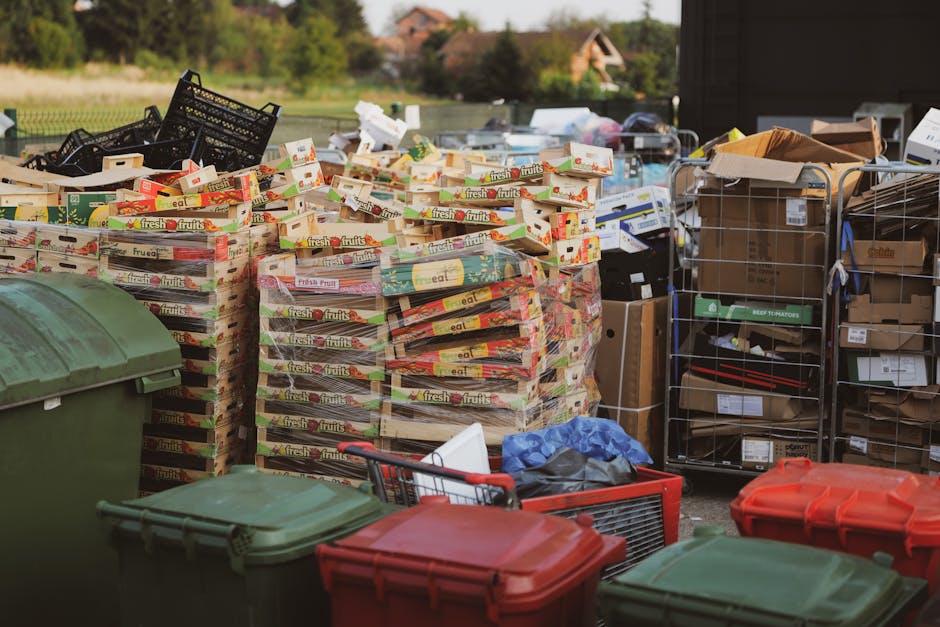
If you have ever stared at a pile of broken furniture, old garden waste, or a garage full of "I'll deal with it later" items, you already know how rubbish disposal can go from simple to surprisingly expensive. The truth is, many homeowners make the same avoidable errors when clearing waste from a home, and those mistakes can lead to extra charges, council hassles, unsafe lifting, or even compliance problems. This guide to the 5 Costly Rubbish Disposal Mistakes UK Homeowners Make is here to help you avoid all that and make better decisions with less stress.
Whether you are clearing a spare room, preparing for a move, tackling a messy loft, or arranging a bigger clearance after renovations, the best results usually come from planning a little, separating waste properly, and choosing the right disposal route first time. Sounds obvious. Yet in real life, people rush, overfill bins, mix the wrong materials, or assume every collection works the same way. That is where the hidden costs creep in.
Below, you will find the most common mistakes, how rubbish disposal actually works in practical terms, what to do instead, and where homeowners often save money without cutting corners. Let's face it: waste removal is rarely exciting, but it is one of those jobs where a small mistake can snowball fast.
Why 5 Costly Rubbish Disposal Mistakes UK Homeowners Make Matters
Rubbish disposal seems straightforward until it is not. A bag of mixed waste can become a bulky load, a bulky load can trigger extra collection fees, and the wrong item in the wrong pile can create a problem with the council, a private carrier, or your own time. For UK homeowners, the stakes are not just financial. There are safety issues, environmental responsibilities, and practical concerns around access, lifting, and storage while waste is waiting to go.
One mistake can mean more than paying twice. It can mean a missed collection, a driveway left blocked, a damaged wall from dragging furniture, or a fine if waste is fly-tipped after being handed to the wrong person. In our experience, most bad outcomes start with a simple assumption: "It will be fine." Usually, it is not fine.
This matters even more in cities and tighter residential streets, where parking, collection access, and timing can make waste removal a bit of a puzzle. In places like London, where homes often have limited storage or narrow front access, a sloppy plan tends to show up quickly. One broken appliance on the pavement, one overloaded bag, and suddenly the whole job takes longer and costs more.
There is also a hidden emotional cost. A cluttered property can make everyday life feel heavier than it should. Once people finally start clearing a loft, garage, or spare room, they often wish they had done it sooner. Not glamorous, but very real.
How 5 Costly Rubbish Disposal Mistakes UK Homeowners Make Works
At a basic level, rubbish disposal is about sorting waste, choosing the right collection method, and making sure the load matches the service. That sounds tidy on paper. In practice, there are different waste streams, different weight limits, different collection rules, and different expectations around what can and cannot go together.
For example, a general household clear-out might include old clothes, packaging, damaged shelving, small appliances, and a mattress. Some of that can go to a council collection, some may need a specialist service, and some should be separated for recycling or safe handling. If you mix everything into one heap, you may end up paying for a larger vehicle, a more complex collection, or a second visit. Annoying, really.
The five costly mistakes usually happen in one of these areas:
- Poor sorting - recyclable, reusable, general, and specialist waste all bundled together.
- Choosing the wrong service - a council large-item collection booked for a load it cannot handle, or a general service used for restricted items.
- Underestimating volume - not realising how quickly waste fills a van, bag, or skip-sized load.
- Ignoring access and timing - waste left out too early, blocking pathways, or becoming weather-damaged.
- Not checking compliance - handing waste to someone unlicensed or sending hazardous items into a normal load.
The practical goal is simple: match the waste to the right route. When you do that, the whole process becomes easier to control, and usually cheaper too.
If you are comparing disposal methods, it can help to think of them as tools rather than one-size-fits-all solutions. A council collection, a private rubbish removal service, or a more specific option such as bulky waste collection each suits a different type of job. One is not automatically better than the others; it depends on the load, the urgency, and what you are trying to clear.
Key Benefits and Practical Advantages
Doing rubbish disposal properly is not just about avoiding mistakes. It gives you a cleaner, calmer process from start to finish. The benefits are practical and immediate.
- Lower total cost - fewer repeat visits, fewer add-on charges, and less waste classification confusion.
- Less physical strain - better planning means fewer awkward lifts and less carrying heavy items twice.
- Cleaner separation for recycling - reusable and recyclable items are easier to divert from landfill or mixed waste.
- Faster clearance - when the load is organised, the job tends to move much more smoothly.
- Reduced risk - fewer trip hazards, fewer damaged surfaces, and lower chance of improper disposal.
- Better peace of mind - you know where the rubbish went, which is oddly reassuring when the heap has been sitting there for weeks.
A lot of homeowners also underestimate the value of a tidy handover. If you are selling, letting, renovating, or simply reclaiming space, a clean property makes the next step easier. You will notice the difference the moment the last bag goes. The room feels larger. The air feels lighter. Small thing, maybe, but it matters.
For larger household jobs, services such as house clearance, home clearance, or even more targeted options like garage clearance can be a sensible fit when the volume is high or the items are awkward. Choosing the right route early is often the cheapest decision in the whole job.
Who This Is For and When It Makes Sense
This topic is for any homeowner who has more waste than a standard bin collection can realistically handle. That might be because you are decluttering, replacing furniture, clearing the garden, or dealing with leftovers from a DIY project. It also applies if you are helping a relative sort through a property and need to keep the process respectful and organised.
It makes particular sense when:
- you have bulky household items like sofas, wardrobes, beds, or broken appliances;
- your waste is mixed and needs sorting before removal;
- you live in a flat or terrace with limited storage or access;
- you want to avoid multiple trips to a household recycling site;
- you are short on time and need a clear plan rather than improvising on the day;
- you want to compare a council route with a private collection before booking.
For example, a couple in Balham clearing a loft after a renovation may need something very different from a family in a house in Greenwich replacing a sofa and fridge. Same headline issue, different practical realities. That is why rigid advice often misses the point.
If your load includes specialist items, separate planning matters even more. A mattress, for instance, is not just "another bulky item" in the real world of collection logistics. Services like mattress disposal or mattress collection may be more suitable than trying to squeeze it into a general load and hoping for the best. Hope is not a strategy, as they say.
Step-by-Step Guidance
Here is a practical way to handle household rubbish without falling into the expensive traps.
- Walk the property first. Look in the loft, garage, garden, shed, under beds, and behind doors. You need the full picture before booking anything.
- Separate items by type. Put reusable items aside, then divide the rest into general waste, recyclables, and anything specialist.
- Identify bulky or awkward items. Sofas, mattresses, white goods, old wardrobes, and dismantled fittings often need special handling.
- Check access and carrying route. Measure doorways, stair turns, and gate widths if needed. A two-minute check can prevent a very annoying delay.
- Choose the right disposal method. Compare council collection, private clearance, or a targeted service based on speed, volume, and item type.
- Confirm what is accepted. Do not assume paint, fridges, batteries, or damaged electricals are all treated the same way.
- Prepare the items. Remove loose contents, flatten light packaging, and disassemble anything that is safe and practical to break down.
- Book at the right time. Try to avoid leaving waste outside for too long, especially in wet weather or where pests can get to it.
- Keep proof of disposal. For private services, ask for basic confirmation of where the waste is going and how it is being managed.
- Review the final bill or collection note. Check that any extra charges make sense and match the actual load.
A quick house clear-out example: if you are disposing of an old sofa, a broken bedside cabinet, and a pile of bagged clothing, you may not need a full-home clearance. A more focused furniture-related service such as sofa collection or furniture disposal could be more efficient and less wasteful.
Expert Tips for Better Results
There are a few habits that separate a smooth job from a frustrating one. Nothing fancy. Just the kind of common-sense detail that saves money.
- Keep hazardous or specialist waste apart from the start. Do not let batteries, liquids, sharp items, or electrical goods get mixed into a general heap.
- Take a photo of the pile before booking. It helps you compare options honestly and avoid underestimating the load. Handy when you are trying to remember whether that pile was "medium" or "massive".
- Think in cubic space, not just item count. A few large items can fill a van faster than a dozen bin bags.
- Ask about recycling approach. If reuse and recycling matter to you, choose a service that explains how mixed waste is sorted.
- Plan for access. If the collection vehicle cannot park close, factor in extra carrying time and labour.
- Book the right service for the item. A fridge, for example, is not the same as a chair. A dedicated option like fridge disposal or white goods recycle can be more appropriate.
One small but valuable habit: clear the route before the crew arrives. Doors open, mats moved, loose cables tucked away, pets secured. It takes five minutes and makes the whole job feel calmer. To be fair, it is one of those things people only appreciate after they have skipped it once.
Another tip is to look beyond the single item and think about the whole room. If your loft or garage is the real problem, a broader service such as loft clearance or waste clearance may actually be the cleaner solution.
Common Mistakes to Avoid
Here are the five mistakes homeowners most often make, and why they become expensive.
1. Mixing everything together
It is tempting to throw all the rubbish into one pile and deal with the sorting later. Later usually means slower loading, less recycling, and extra charges if restricted items are discovered. Separate as you go. It really does help.
2. Choosing the wrong collection option
Some loads are fine for a council collection, while others are far better handled by a private service. If you book the wrong route, you may face delays or need a second booking. For larger items, checking a service like council large item collection alongside a private clearance option can help you compare realistically.
3. Underestimating the size of the job
Homeowners often think, "It's only a few things." Then the hallway fills, the stairs become a bottleneck, and a few things turn into a proper clear-out. Volume matters. So does the shape of the waste.
4. Leaving collections until the last minute
Last-minute bookings can be more expensive, more stressful, and less flexible. If you are moving house or renovating, build waste disposal into the plan early. Otherwise, the rubbish sits there like an uninvited guest.
5. Not checking legitimacy or safety standards
If waste is handled badly, you may be left with the consequences. Responsible disposal should include safe loading, clear expectations, and proper handling of the items involved. When in doubt, ask more questions, not fewer.
A useful rule: if the waste feels awkward to move, awkward to sort, or awkward to identify, it probably needs a more careful plan.
Tools, Resources and Recommendations
You do not need special equipment for every job, but a few simple tools make rubbish disposal much easier.
- Strong bin bags for light general waste and soft items.
- Gloves to protect your hands from splinters, grime, and rough edges.
- Tape measure for doorways, stairwells, furniture dimensions, and access points.
- Marker labels for sorting piles into keep, recycle, donate, and dispose.
- Basic screwdriver or Allen keys for dismantling furniture where safe.
- Loading blankets or old sheets to protect floors and walls during movement.
In terms of service types, homeowners often compare general removal, specialised item collection, and broader property clearance. If you are dealing with mixed household waste, rubbish clearance or waste removal may be the practical middle ground. For heavier domestic loads, bulk waste collection can suit larger piles that are awkward to manage through standard bins.
If you are in the middle of a refurbishment, it may also help to think about the waste created by the work itself. Services like builders waste clearance are often more appropriate than trying to treat rubble, broken plasterboard, and packaging as everyday household rubbish. Same property, different waste. That distinction matters.
Law, Compliance, Standards, or Best Practice
When rubbish leaves your property, it still matters how it is handled. UK homeowners should be careful about handing waste to someone who cannot show they are operating properly, especially where the load includes mixed, bulky, or potentially regulated items.
Best practice is straightforward:
- choose a provider that is transparent about collection and disposal;
- separate items that need special handling;
- avoid leaving waste in a way that creates obstruction or nuisance;
- keep records or confirmation where appropriate;
- treat electricals, fridges, and similar items with extra care.
Recycling expectations can vary depending on the item and the service used. For example, furniture, white goods, and garden material may be handled differently from general mixed waste. It is also worth remembering that local council arrangements can differ quite a bit from one area to another. What works in one borough may not be the quickest or cheapest choice in the next.
If you are using a private service, related trust markers such as clear pricing, stated safety practices, and evidence of insurance and safe handling are sensible things to look for. You do not need a legal seminar; you just need to know the job is being done properly.
For more on how a provider frames these standards, pages like insurance and safety and health and safety policy can be useful signals of a company's approach.
Options, Methods, or Comparison Table
Different rubbish disposal methods suit different household situations. Here is a simple comparison to help you decide without overthinking it.
| Method | Best for | Strengths | Limitations |
|---|---|---|---|
| Council collection | Smaller, approved loads and standard bulky items | Convenient for some households, familiar process | May have limited item types, timings, or booking rules |
| Private rubbish removal | Mixed loads, urgent jobs, awkward access, bigger clear-outs | Flexible, fast, can handle more varied waste | Cost depends on volume, item type, and access |
| Specialist item collection | Sofas, mattresses, fridges, white goods, bulky single items | Better handling for specific items, often simpler for the homeowner | Not ideal for mixed household loads |
| Full property clearance | Lofts, garages, whole homes, end-of-tenancy or probate situations | Efficient for larger, cluttered projects | Can be more than you need if the job is small |
If your job is a single item, go targeted. If it is a room or property, go broader. Simple, really. The mistake happens when a homeowner picks the wrong scale and ends up paying for the mismatch.
Case Study or Real-World Example
A fairly typical example: a homeowner in west London decides to clear a garage that has slowly become a storage zone for broken chairs, paint tins, old plant pots, a knackered vacuum cleaner, and a mattress leaning against the back wall. They start with the easy bit, which is admirable, but then everything gets mixed together into one heap.
At that point, two things happen. First, the load looks bigger than expected. Second, they realise some items need separate handling. The mattress is awkward, the paint tins need checking, and the electrical items should not just be lumped in with the rest. So what looked like a half-day job turns into multiple trips and more cost than planned.
Now imagine the same job done properly. The mattress is separated. The white goods are grouped. The paint tins are checked before removal. The recyclable items are set aside. The homeowner books a service that suits the volume and access. The collection arrives, the load goes out in one go, and the garage is usable again by the afternoon. Not magic. Just decent preparation.
That is the difference a little planning makes. No drama, no heroic effort, just a cleaner outcome and fewer regrets.
Practical Checklist
Use this checklist before you book or move anything.
- Have I identified all the items that need removing?
- Have I separated general waste, recyclables, and specialist items?
- Do I know which items need separate handling, such as fridges or mattresses?
- Is access clear for carrying items out safely?
- Have I checked whether a council or private service is the better fit?
- Do I have an idea of the volume, not just the item count?
- Are any items too heavy, sharp, wet, or awkward to move without help?
- Have I protected floors, walls, and doorframes if needed?
- Am I confident the waste will be handled responsibly?
- Have I allowed enough time so the job does not become a rushed mess?
If you can tick most of those off, you are already ahead of the average homeowner. And that is not a dig; it is just how these things tend to go.
Conclusion
The five costly mistakes in rubbish disposal are usually not dramatic errors. They are small, easy-to-make assumptions: that everything can be mixed, that every collection option is the same, that the job is smaller than it looks, that timing does not matter, and that compliance is someone else's problem. Put those together and the result is often extra cost, extra effort, and extra hassle.
The good news is that avoiding those mistakes is not complicated. Sort first. Match the service to the waste. Check access. Think about volume. Keep specialist items separate. If you do that, rubbish disposal becomes much more manageable, and in many cases more affordable too.
Get a free quote today and see how much you can save.
Truth be told, a good clear-out can feel a bit like getting your breath back. Once the waste is gone, the house feels easier to live in. That is often the real win.
Frequently Asked Questions
What are the most common rubbish disposal mistakes UK homeowners make?
The most common mistakes are mixing all waste together, booking the wrong service, underestimating how much there is, leaving collections too late, and not checking how specialist items should be handled.
Is council rubbish collection always cheaper than private removal?
Not always. Council options can be cost-effective for certain standard items, but private removal may be better value if you have a larger load, awkward access, or need speed and convenience. It depends on the job.
Can I put a mattress out with normal rubbish?
Usually, no. Mattresses often need a separate collection or a specific bulky-waste route. It is better to check the accepted method before you book so you do not waste time and money.
What counts as bulky waste in a typical household clear-out?
Bulky waste usually means larger domestic items that do not fit in standard bins, such as sofas, beds, wardrobes, tables, and some appliances. The exact handling depends on the service.
How do I know if I need a full house clearance?
If you are dealing with several rooms, loft contents, garage clutter, or a mix of furniture and household waste, a broader clearance may make more sense than item-by-item collection.
Are fridges and other white goods treated differently?
Yes, they often are. Fridges, freezers, washing machines, and similar appliances can require specific handling because of their size and components. A dedicated appliance route is usually the safer option.
What should I do with mixed waste from a DIY project?
Separate it where possible. Timber, packaging, rubble, plasterboard, and general household rubbish should not all be treated the same way. For bigger renovation jobs, a builders waste clearance route is often more suitable.
How can I avoid hidden rubbish disposal costs?
Get clear on the item types, the expected volume, access conditions, and whether anything needs special handling before you book. The more precise the description, the less likely you are to face surprises later.
Is it worth sorting recyclables before booking a collection?
Usually yes. Sorting recyclable or reusable items can reduce the amount of mixed waste and make the whole job cleaner and more efficient. It also helps if you want a lower-waste approach.
What happens if I leave rubbish on the pavement too early?
It can create obstruction, look untidy, and attract complaints or weather damage. In some situations, it can also cause collection issues. Keep the timing tight and the route clear.
How do I choose between rubbish removal and waste clearance?
Think about the scale of the job. Smaller or more specific loads may suit rubbish removal, while larger or more mixed projects may be better handled by broader waste clearance. The difference is often about flexibility and volume.
Do I need to keep proof that my waste was disposed of properly?
It is a good idea, especially if you are using a private service. Basic confirmation gives you peace of mind and helps show the waste was handled responsibly if you ever need to check later.
What is the safest way to start a home rubbish clear-out?
Start by walking the property, separating waste into rough categories, and identifying any heavy or specialist items. Then choose the most suitable removal method before moving anything. That first planning step saves the most headaches.
Can furniture be collected on its own?
Yes, often it can. If you only have a sofa, bed, or a few pieces of furniture, a targeted furniture collection or furniture disposal service may be simpler than a broader clearance.